Choose by cosmetic goal: Kiero fits a lightweight serum with hydration, firmness, and tone claims; COSRX also offers a copper-peptide option, while cheek patches deserve separate assessment.
- Kiero Essential Boost Serum is the clearest fit for a lightweight, multi-ingredient serum with firmness and tone claims.
- COSRX The 6 Peptide Skin Booster Serum suits a toner-like first step with six peptides.
- Medicube PDRN Pink Peptide Serum is a candidate for a plump, hydrated-looking finish.
- Choose a serum for appearance goals; ask a dermatologist to assess cheek patches that may be melasma.
If your main goal is a lightweight serum for the look of firmer, more hydrated, more even-toned skin, Kiero Essential Boost Serum is a strong label-led candidate. Choose and assess that cosmetic step separately from care for cheek patches that may be melasma, since a serum label cannot diagnose why patches appeared.
Compare cosmetic goals separately from cheek-patch care
A useful comparison starts with three questions: Which ingredients does the maker name? What texture or routine step does the product suit? What appearance goal does the maker describe? For mature skin, those answers can help narrow a serum for hydration, a smoother look, or the appearance of firmness and tone.
The word peptide covers a broad set of ingredients, so a larger peptide count alone does not tell you which serum will suit you best. A 2009 review of topical peptides for aged skin reports a double-blind, placebo-controlled study of 71 women with photodamaged skin who applied a GHK-Cu cream twice daily for 12 weeks; the study recorded improvements over placebo by week four. The review also found that some topical peptides lacked well-designed in-vivo studies with adequate sample sizes, making each formula's own ingredient and use details important to a cosmetic comparison.
For fragrance-conscious shopping, treat fragrance as its own label check. If fragrance matters to you, compare each candidate's full ingredient list with your own preference before adding it to your routine.
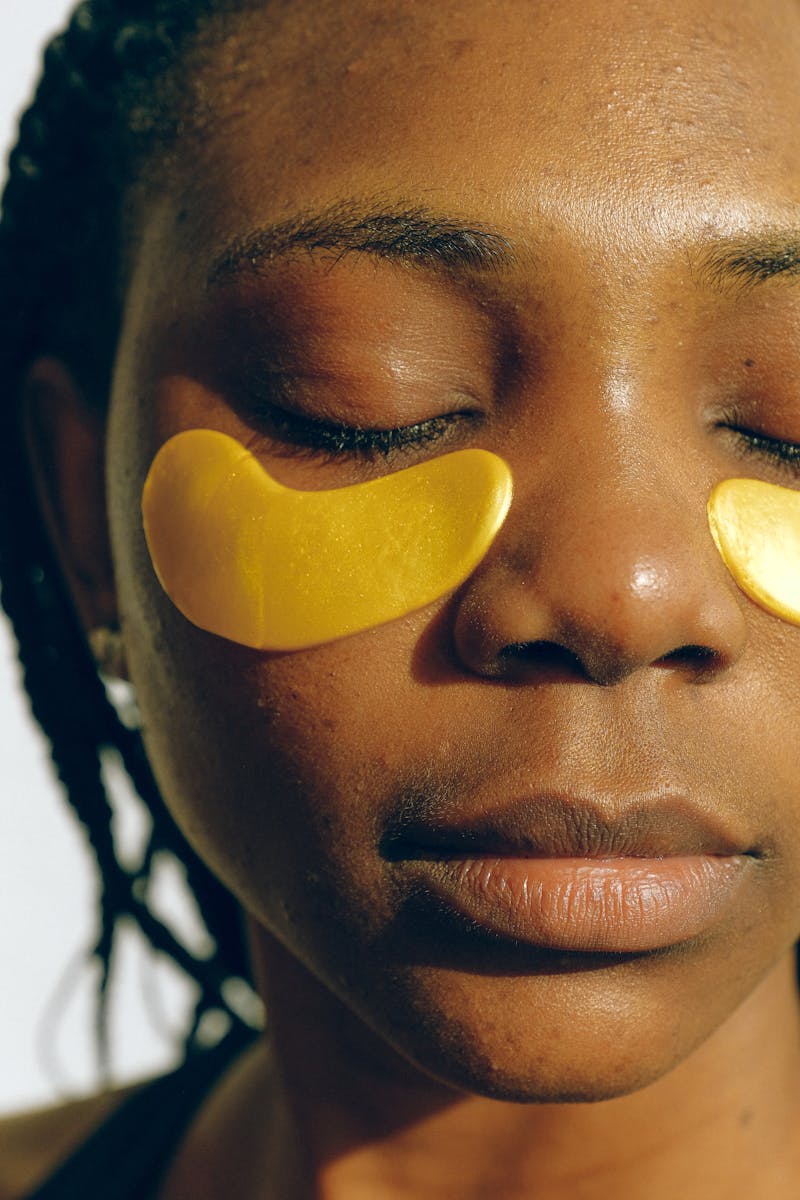
A cheek patch deserves its own assessment when the cause is unclear. The American Academy of Dermatology’s melasma guidance recommends seeing a dermatologist for uneven facial color, since a dermatologist can determine whether the cause is melasma or another condition.
Three formula-led serum options
The strongest fit depends on which ingredient combination, product texture, and routine role match your cosmetic goal.
1. Kiero Essential Boost Serum: a lightweight choice for firmness and tone appearance
Kiero describes Essential Boost Serum as a lightweight formula with prickly pear, peptides, niacinamide, and panthenol. The product description says it hydrates, improves the look of firmness, and helps unify skin tone, which makes it a direct label match for shoppers seeking hydration and a more even-looking complexion in one serum.
If you already use a separate moisturizer and want a lightweight serum focused on soft, radiant-looking skin, Kiero’s described benefits align with that goal. The product description supplies cosmetic benefit claims, so judge fit by the stated ingredients and feel you prefer, while handling suspected melasma through a separate care plan.
If your main priority is an explicitly toner-like first layer or a formula containing PDRN, the COSRX or Medicube descriptions below offer different label cues.
2. COSRX The 6 Peptide Skin Booster Serum: a toner-like first layer
COSRX describes The 6 Peptide Skin Booster Serum as a lightweight, toner-like formula with six peptides. The official COSRX product page positions it for concerns such as fine lines, uneven texture, and loss of firmness, and describes a lightweight, non-sticky feel. Its product details and directions also name hyaluronic acid and amino acids as companion ingredients and give the bottle size as 150 mL (5.07 fl oz).
Choose this one if you want a peptide serum that works as an early, watery layer before the rest of your routine. COSRX’s directions place it immediately after cleansing, before essence and thicker ampoules or serums. That routine role can suit someone who enjoys layering, while a shopper who wants one serum to use as the main treatment step may prefer a product with a more direct single-step role.
The official COSRX listing shows the serum from $25. COSRX describes the formula as addressing multiple concerns, including pores, sebum, hydration, tone, and texture. Those claims may appeal when you want a broad-use prep step; the number of peptides by itself is less useful than whether the texture and layering position fit your routine.
3. Medicube PDRN Pink Peptide Serum: for a plump, dewy-looking finish
Medicube’s US product description names PDRN, peptides, and niacinamide; a customer reviewer on the page describes a lightweight, moisturizing feel. The product description says the ingredients support a plump, healthy-looking complexion and help improve the appearance of uneven texture and tone.
Compared with COSRX, it presents a skin-feel and glow goal rather than an explicitly toner-like first-step role. Pick between them by the cosmetic result and routine texture you prefer, not by assuming that either product will change a melasma patch.
4. COSRX The Blue Peptide Bakuchiol Plump Glow Serum: a copper-peptide option
The COSRX collection listing identifies The Blue Peptide Bakuchiol Plump Glow Serum as a copper peptide serum and lists it at $27. It suits a shopper who specifically wants a copper-peptide option to compare alongside a multi-peptide booster or a serum described for hydration and tone.
Handle possible melasma as a separate decision
Melasma is a medical diagnosis, and cheek discoloration can have other causes. The AAD’s guidance on diagnosis and treatment describes treatment plans tailored to skin tone, how deeply pigment reaches into the skin, and possible triggers. The AAD identifies sunlight, birth control pills, and stress as possible melasma triggers.
Sun protection is a practical foundation while you arrange care. The AAD recommends broad-spectrum sunscreen with SPF 30 or higher, shade, and a wide-brimmed hat as common sun-protection measures for melasma. Its melasma overview notes that patches can look more noticeable in summer and that treatment in darker skin tones calls for care because irritation can worsen discoloration. A dermatologist can tailor advice to your skin tone and condition rather than relying on broad ethnic categories.
In a 2014 randomized trial of 68 people with melasma, participants used SPF 50-or-higher sunscreen with visible-light protection or UV-only sunscreen for eight weeks, and all received 4% hydroquinone. At eight weeks, the visible-light-protection group had 15% greater improvement in melasma severity scores, 28% greater improvement in color measurements, and 4% greater improvement in melanin assessments than the UV-only group. Ask a dermatologist whether a sunscreen with visible-light protection, such as one containing iron oxide, fits your care plan.
Melasma care often pairs sun protection with medication applied to the skin. The AAD describes prescription options such as hydroquinone or tretinoin with a mild corticosteroid, along with alternatives such as azelaic acid, kojic acid, or vitamin C. A peptide serum's ingredient label helps identify its cosmetic formula, while a dermatologist selects melasma treatment for the individual.
The AAD recommends asking a dermatologist about treatment costs because melasma treatment is not considered medically necessary and most insurers do not cover it. If your patches are new, changing, or persistent, bring that concern to a dermatologist; if treatment is appropriate, ask which options fit your skin tone, triggers, and daily sun exposure.
Prepare for a dermatologist visit
Bring a current list of medicines and skincare products, along with a note about when you first noticed the patches and what changes you have observed. A dated photo can help you describe those changes clearly. Ask how your skin tone, pigment depth, and possible triggers shape the recommended options, and discuss treatment costs before starting a plan.
Make the choice practical
Match the serum to the cosmetic role you want:
- Kiero Essential Boost Serum fits a lightweight formula described for hydration, firmness, and tone appearance, with prickly pear, peptides, niacinamide, and panthenol.
- COSRX The 6 Peptide Skin Booster Serum fits a lightweight, toner-like layer with six peptides, hyaluronic acid, and amino acids, applied after cleansing.
- Medicube PDRN Pink Peptide Serum fits a plump, dewy-looking goal, while COSRX The Blue Peptide Bakuchiol Plump Glow Serum is listed as a copper-peptide option at $27.
Start with one new serum at a time so you can tell which product feels comfortable in your routine. Apply it according to its maker’s directions, then use moisturizer and daytime sunscreen as needed. If your priority is the cheek patches themselves, make the dermatology appointment and sun-protection plan the next action; choose the peptide serum as a separate cosmetic preference.